Building date: 1837
Original use: Universalist Church
Corner structures: Granite quoins
Mortar application and content: Vertical, no embellishment
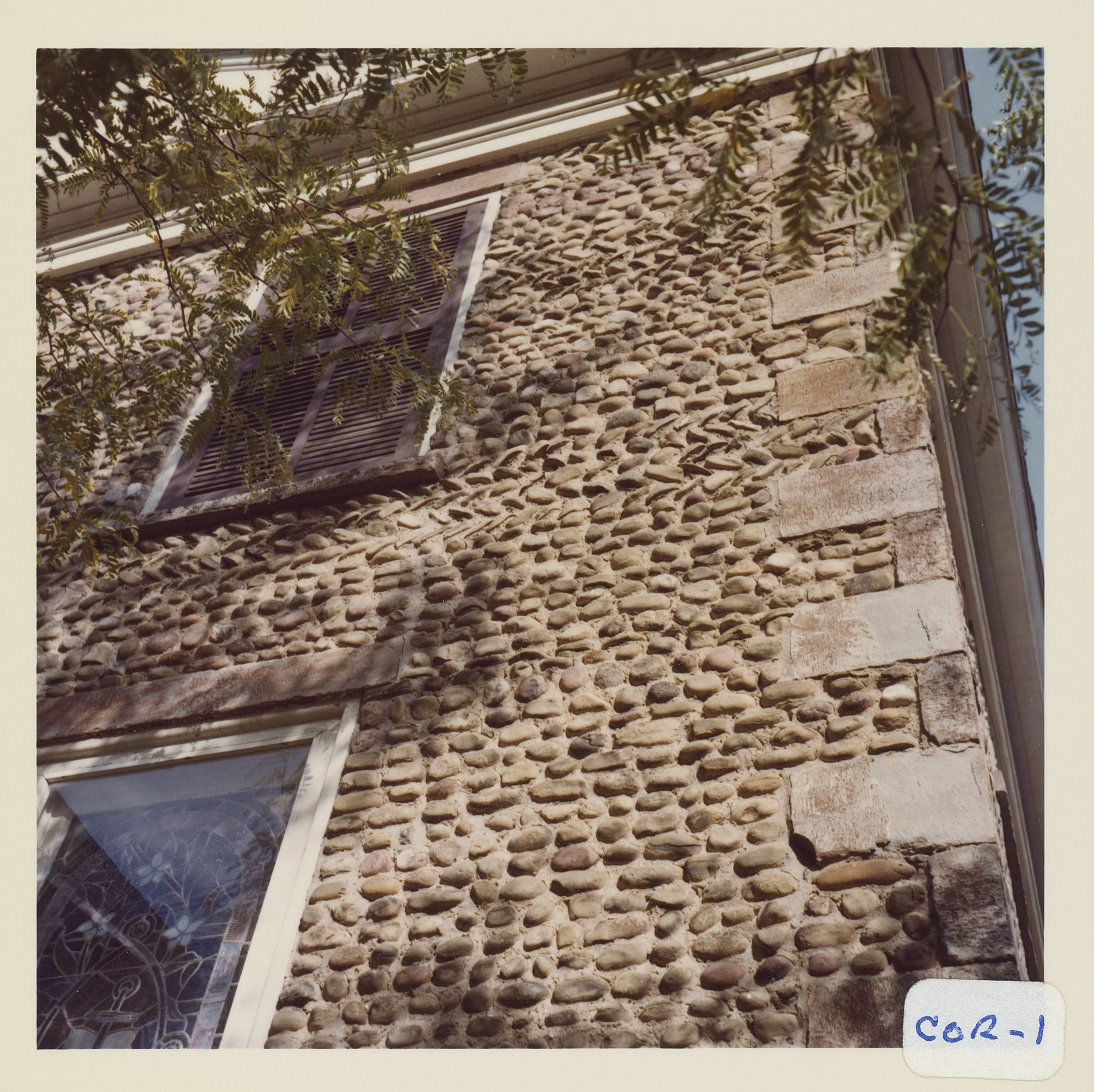
Types and uses of stones: Herringbone, anywhere
Types and choice of windows:
Structures with similar masonry details:
Masons who worked on building: Benjamin Davis
Unique features:
Map views courtesy Google Maps. Address is Google Earth confirmed; 42°36'06.05"N 76°10'39.97"W.
Town of Cortlandville and Cortland County 1975 Highway Maps
Listed as First Universalist Church, Church & Elm Sts., Cortland in the Roudabush Study.
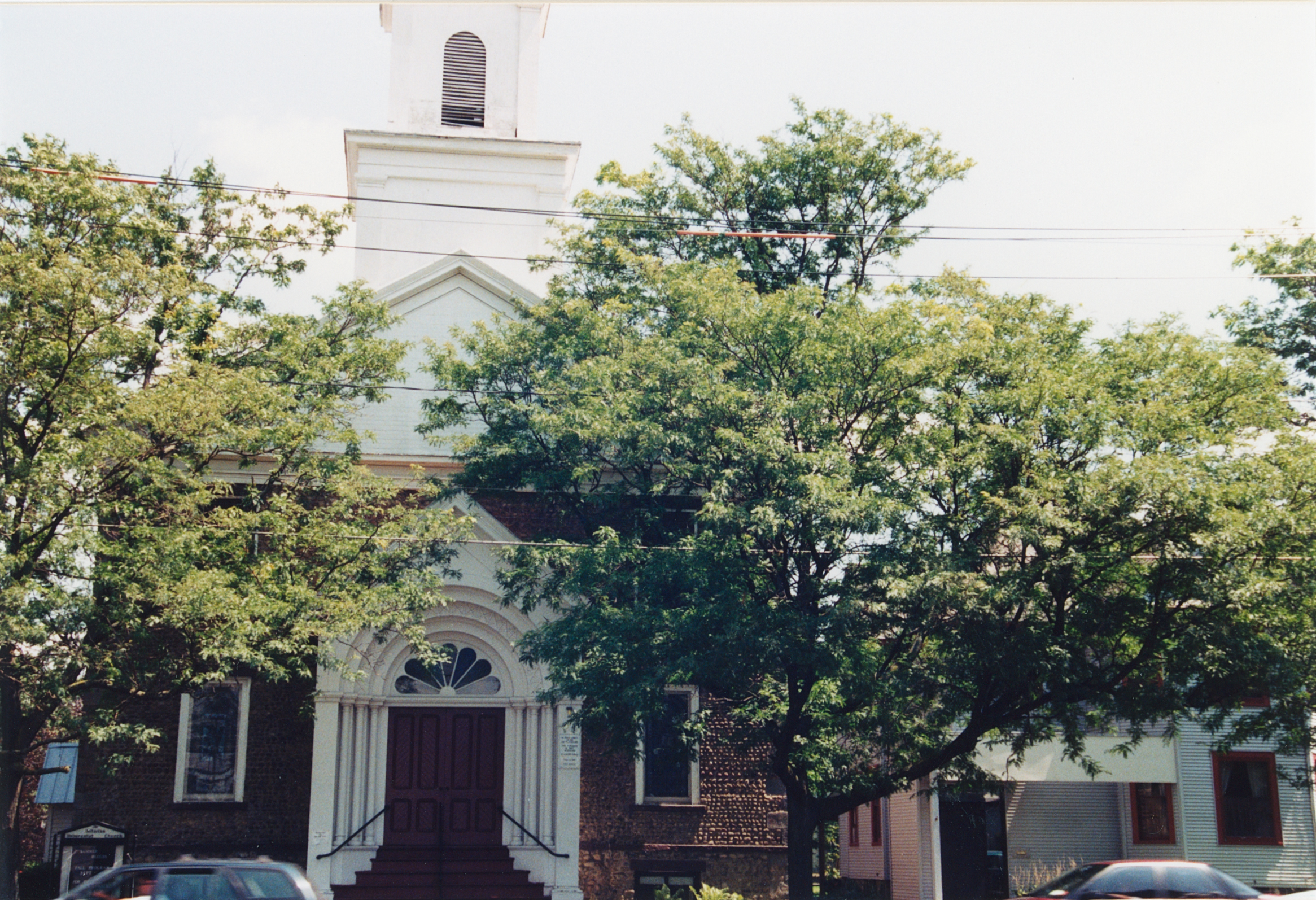
Best known of [the structures in Cortland County] is the Universalist Church at 3 Church St., Cortland, built in 1837 and placed on the National Register (#93000592) 07/01/1993. The church is reputed to have been a link in the Underground Railroad during the Civil War. The church was officially organized in 1835. The stones for this, the oldest church building in Cortland County, primarily came from the properties of church members. It has cobblestone walls and granite quoins. Interestingly, the then village of Cortlandville contributed $100 towards its construction so it could use the basement to conduct business. It did so for 45 years.
Many famous people lectured here including Ralph Waldo Emerson, Harriet Beecher Stowe, Thomas Starr King, William Lloyd Garrison, Theodore Parker, Henry Ward Beecher, Wendell Phillips, Lucretia Mott and Clara Barton. It is one of only 21 surviving cobblestone churches in New York State.
In 1895, a large arch was cut in the east cobblestone wall and a Morey and Barnes organ was set in the arch. It is only one of two such historic organs in existence. It is nationally recognized by the American Organ Historical Society for its superb sound quality and nearly original condition.
Due to deterioration the bell tower or belfry, as well as the bell itself, were removed in 2016. The church is hopeful of rebuilding the tower as financial conditions permit. Richard Palmer blog.
"The Cobblestone Houses of Upstate New York", compiled by Dorothy Wells Pease. Research done in collaboration with Hazel B. Jeffery, supplemented with material furnished by Carl F. Schmidt, 1941. Reference the seventh paragraph on page 41.
"The Cobblestone Church", by Frank Place, Cortland Democrat March 16, 1956Have you ever looked closely at the Cobblestone Church, just as an example of the builder's art? Even to a layman (here meaning one who is neither builder nor architect) there are interesting points to be seen.
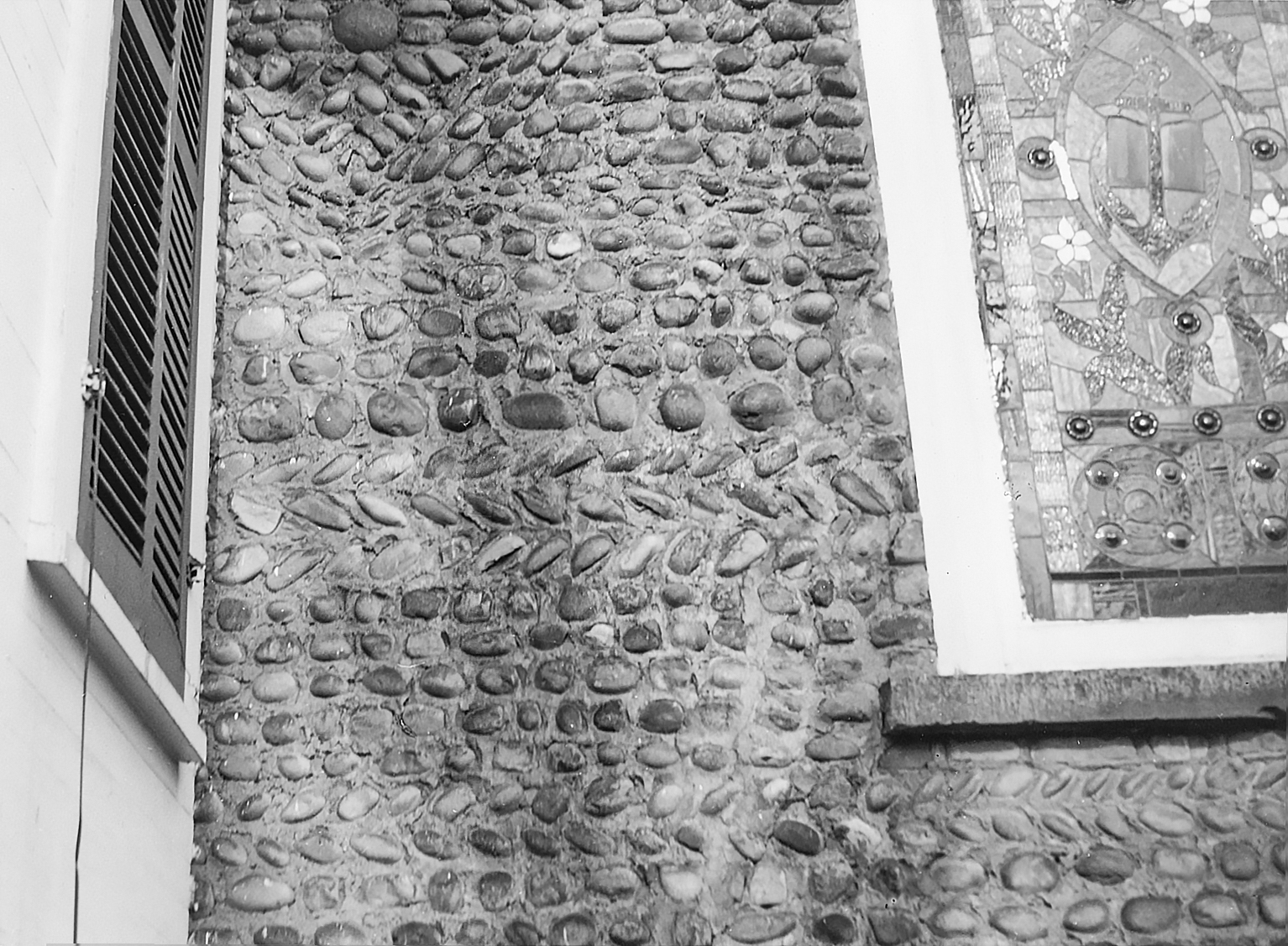
Examination of the stonework shows more than just mason-work. Design appears even in the laying of the cobbles, where one finds a row of flat cobbles set 45 degrees to the left of the vertical. Then, too, the occurrence of these herringbone strips is regular for some distance up the wall; then come bands of several courses of herringbone pattern.
Church in 1900The corners show architectural care in the laying the shale quoins, locking into the wall to the right and left alternately. The water-table is also of stone, also shale, though as all these have been painted over the kind of stone is uncertain. On each side of the door appears in the middle of the space a large diamond-shaped arrangement of flat cobbles, these set parallel to each other in each segment of the diamond.
The fact that the porch was an afterthought. Another point in the same class is that inside the porch over the double door there is an inscription that usually escapes the visitor's attention. On the long lintel one can read with difficulty these words:"Holiness to the Lord, Good Will to All Mankind," and below that a second line: "Universalist Church Erected 1837."
Grip's Historical Souvenir of Cortland (1899) quotes the building committee that was appointed "to fix upon the size of the house, form and materials of which shall be built, the plan of raising money and the site where it shall stand." The committee reported "that the meeting house be built on the lot offered by Calvin Bishop. That the size of the house be 60 by 44. That the walls be of cobblestone and such other materials as are necessary for the purpose..." Also it agreed "on a level floor, a gallery on three sides, west, north and south, two tiers of windows and a desk in the east end of the house." Construction took place in the same year. The result is a building that belongs in the classical Greek Revival of which the old New England churches are representatives. The church certainly outclasses all others on the street.
Having this in view every day I began to speculate on the dimensions. It looks as if the width on Church Street was equal to the depth of Elm. I took measurements with a surveyor's tape to show me that it was substantially as planned.
The addition of the porch and the transformation of the interior took place in 1889 (as I gather from news items). Other people remember the gallery and plain bench-pews; whether the present interior is an improvement is a question. No doubt the hall is more easily heated in its present vaulting, but it is something of a shock to get the impression of a theater from the rows of chairs. The two rows of windows are still there as intended but the upper row is now a blind, or blinds.
The Romanesque archway of the porch was never in the mind of the original architect. The church bell was formerly in the belfry of the old Presbyterian church which was a fair companion of this church building, though of wooden construction. This bell has the highest pitch of the four that we sometimes hear ringing in sequence.
While speaking of cobbles we find almost no similar buildings in this area. The Randall farm-house off South Main Street and the cooperage-vinegar factory, Homer, are the only ones now extant, as far as I know. The old Cobblestone School, across the street from this church, was of simpler design and construction, but of the same date. The shale, or stratified stones of the quoins, is to be found in any quarry hereabouts. The cobbles are the result of the glacier that deposited them here thousands of years ago.
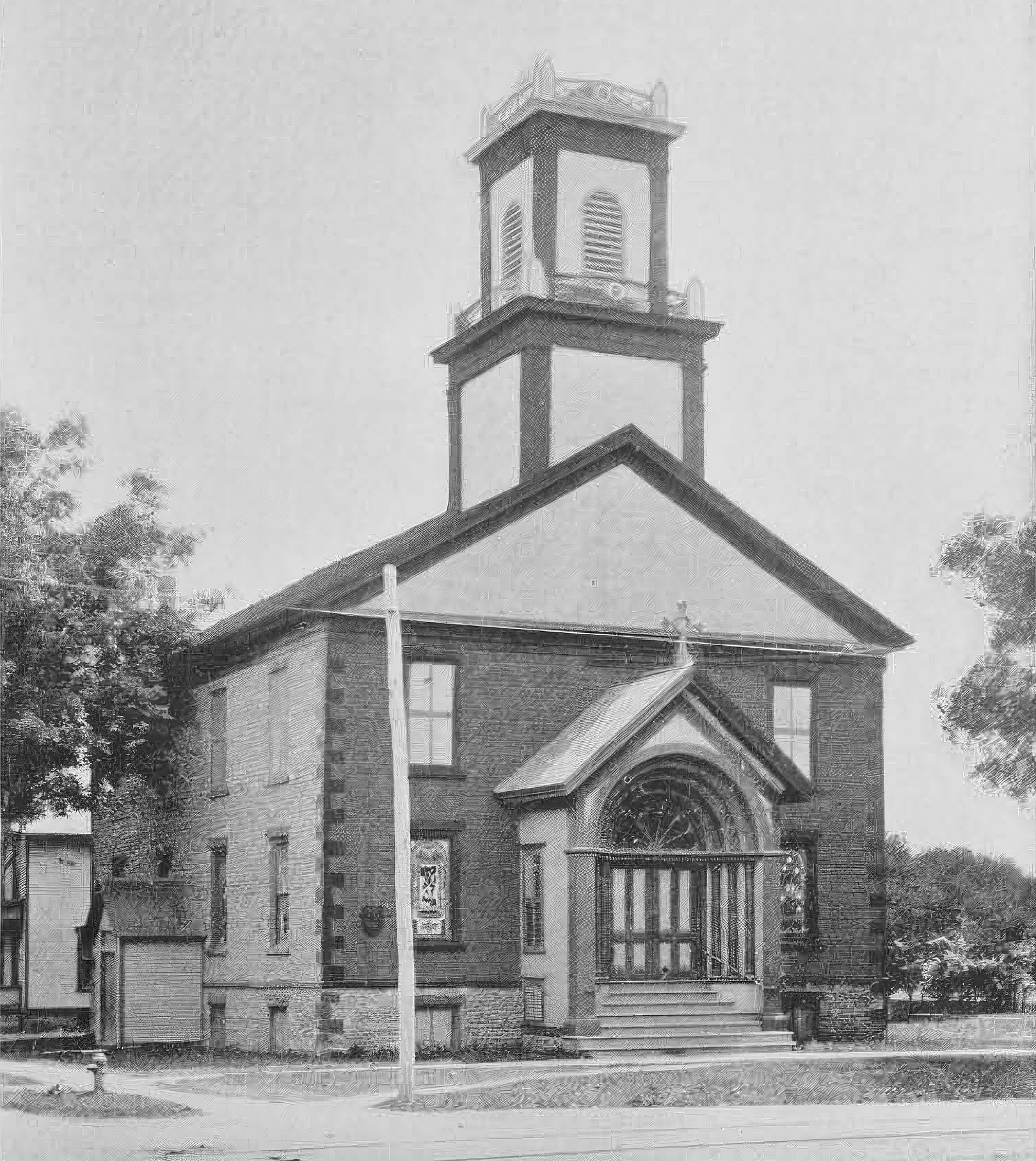
Courtesy of the Richard Palmer blog.
Cor-1 First Universalist Church of Cortland Permanent File Info, Cobblestone Museum 8/11/1961.
History of the Universalist Church, Cortland, N.Y., by Mrs. Mary C. Brown, Asst. Local Historian, Cortland, N.Y., archived at the Cobblestone Museum.
|
 National Register of Historic Places Registration
- "Cobblestone Masonry", 1966, Carl Schmidt: Name reference, First Universalist Church
- Page 23
- Student research paper, "Cobblestone Houses in Cortland", by Chelyssa Brown-Wallace
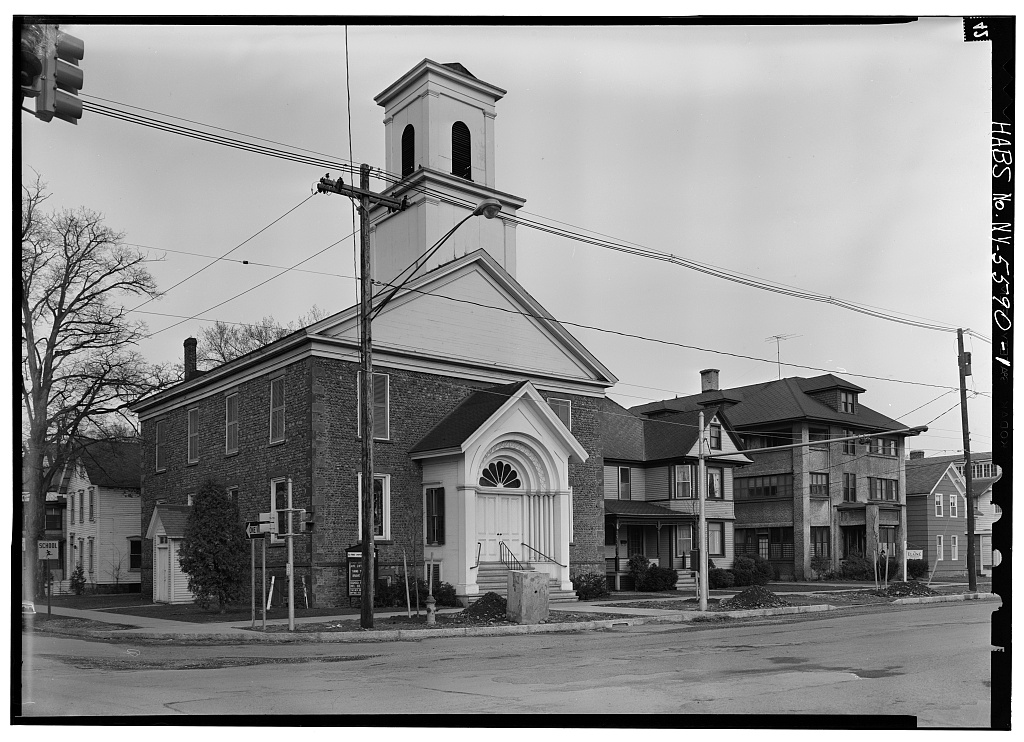 115600pv N Side W Front.jpg ¹ ca. 1933 | 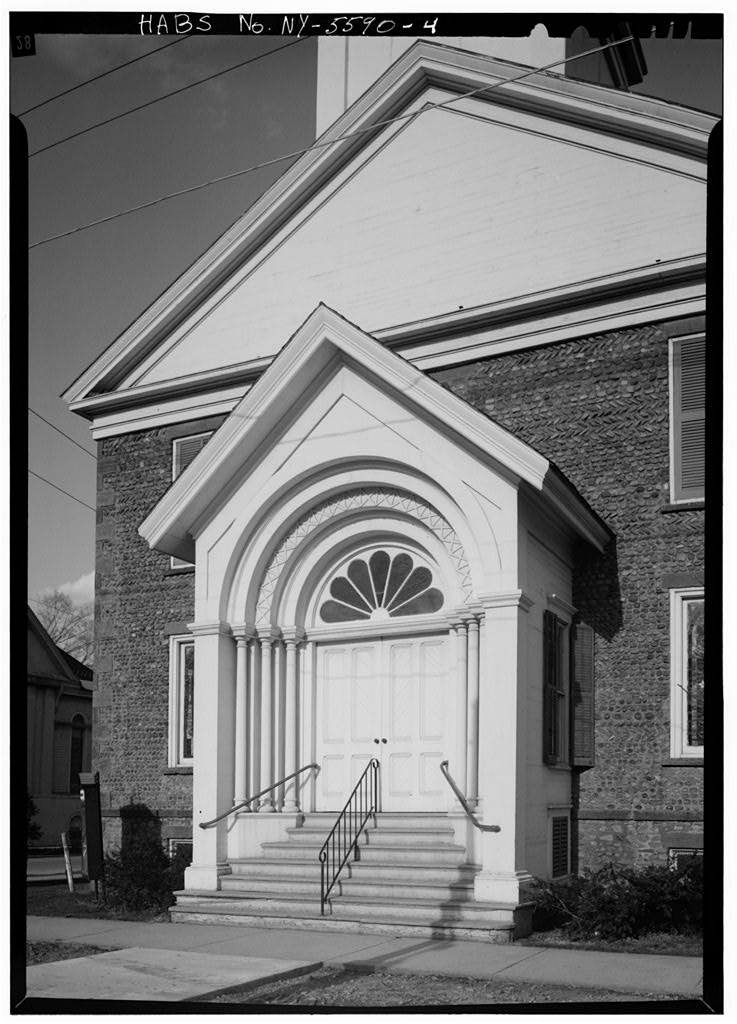 115603pv Front Detail.jpg ¹ ca. 1933 | 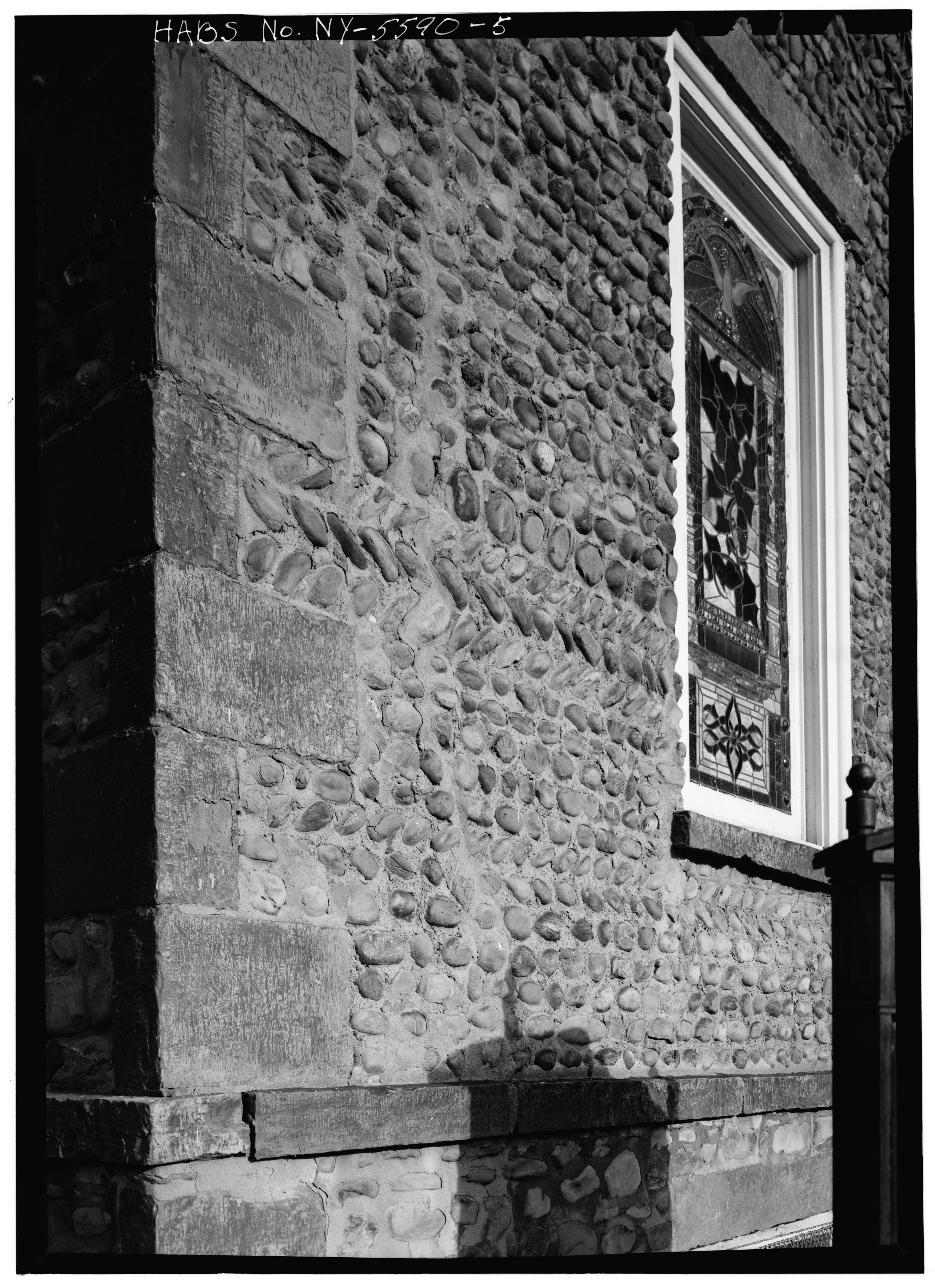 115604pu Wall and Granite Quoins.jpg ¹ ca. 1933 | 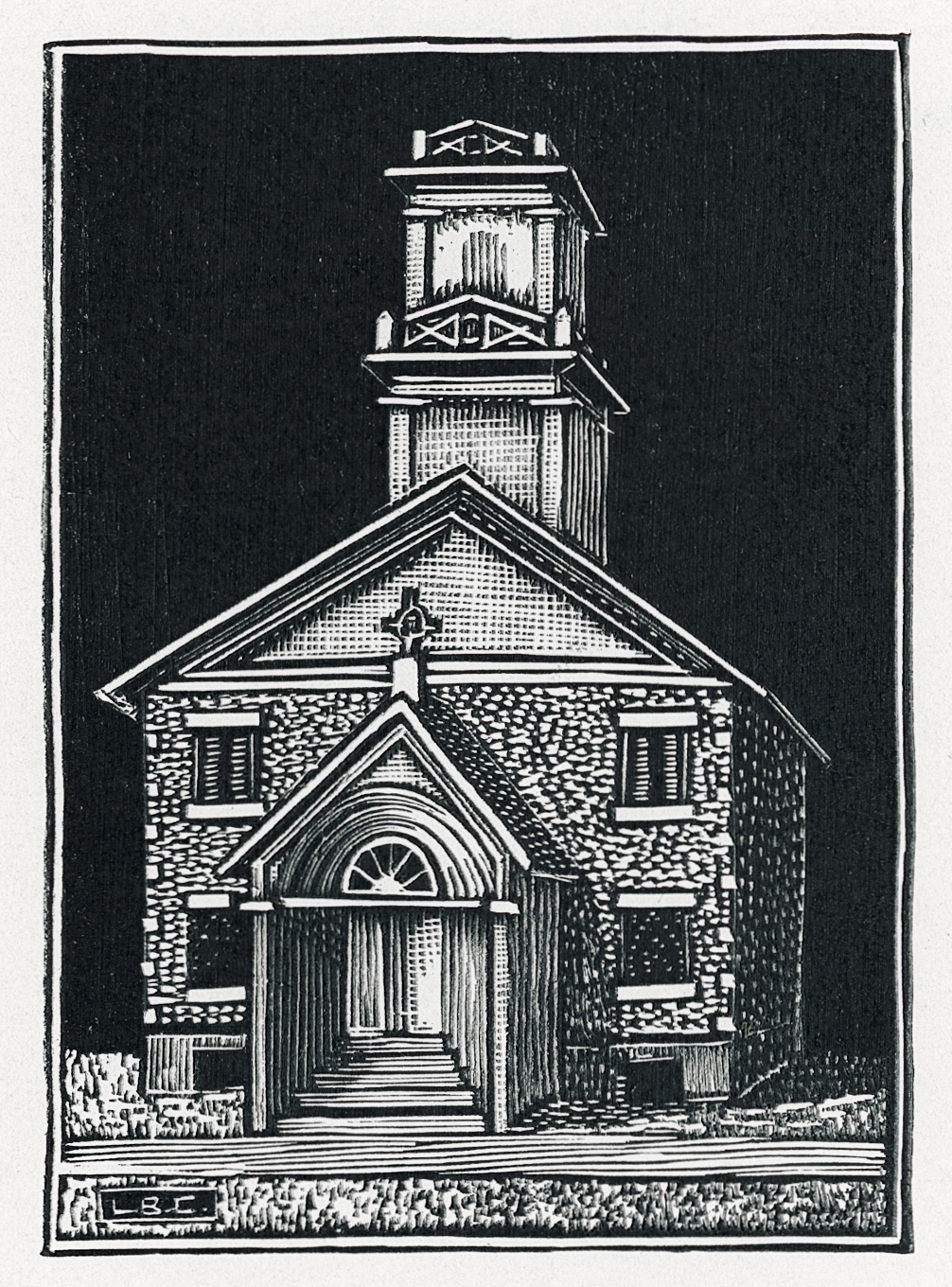 Illustration Universalist Church.jpg ² |
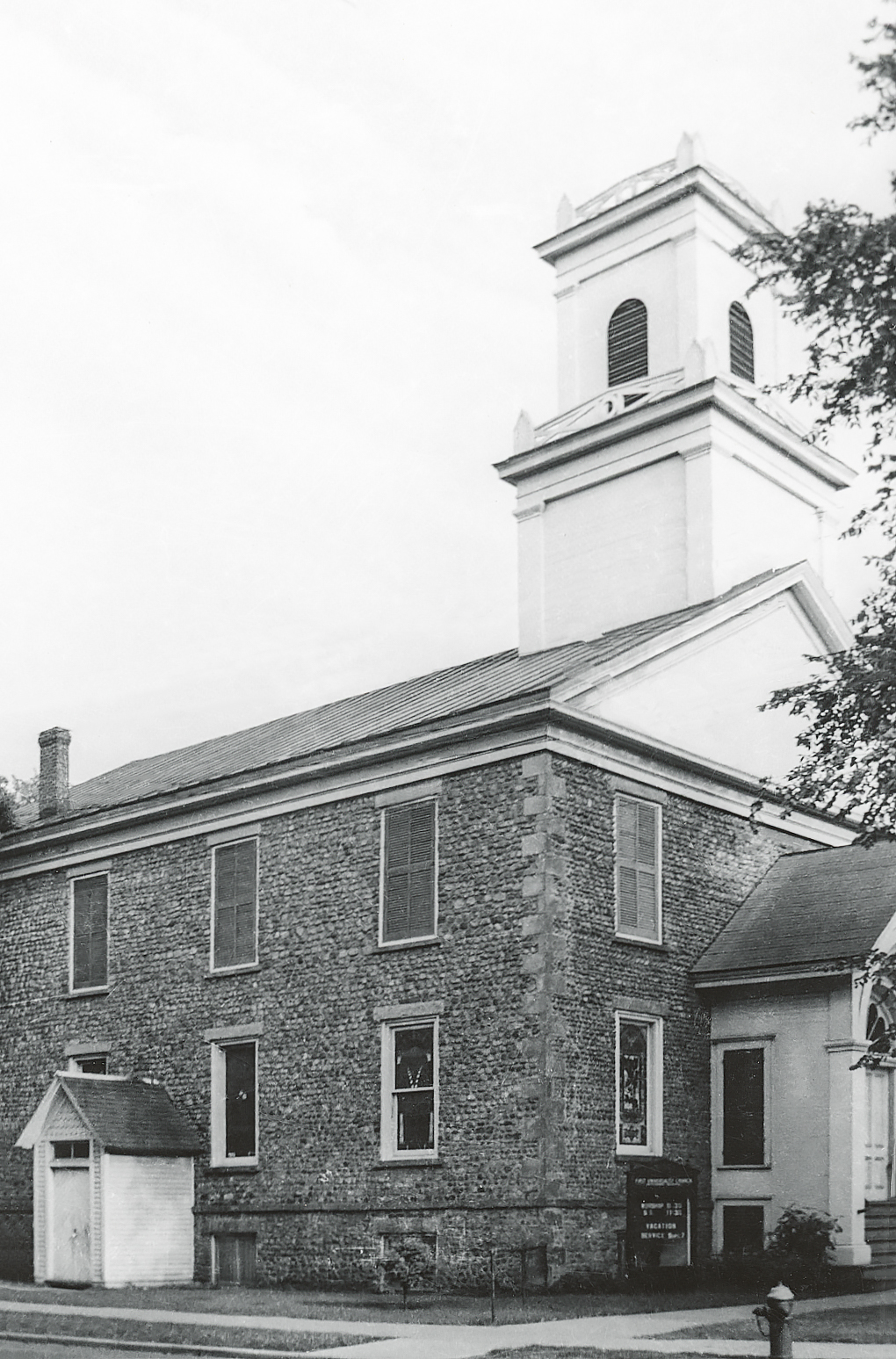 Universalist Church Pease Collection.jpg ² Pease Collection ca. 1940 | 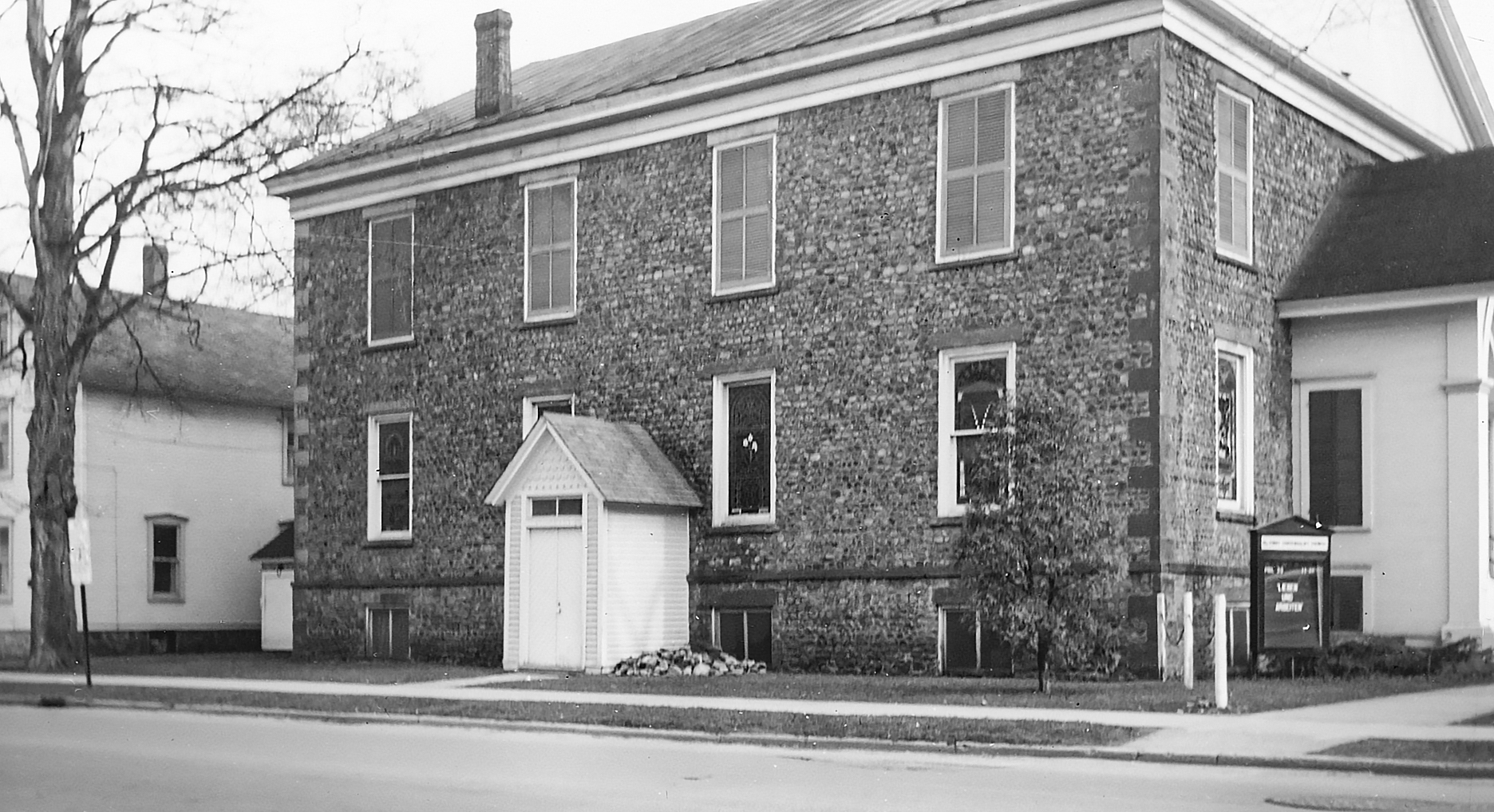 Universalist Church 1.jpg ² May 1961 | 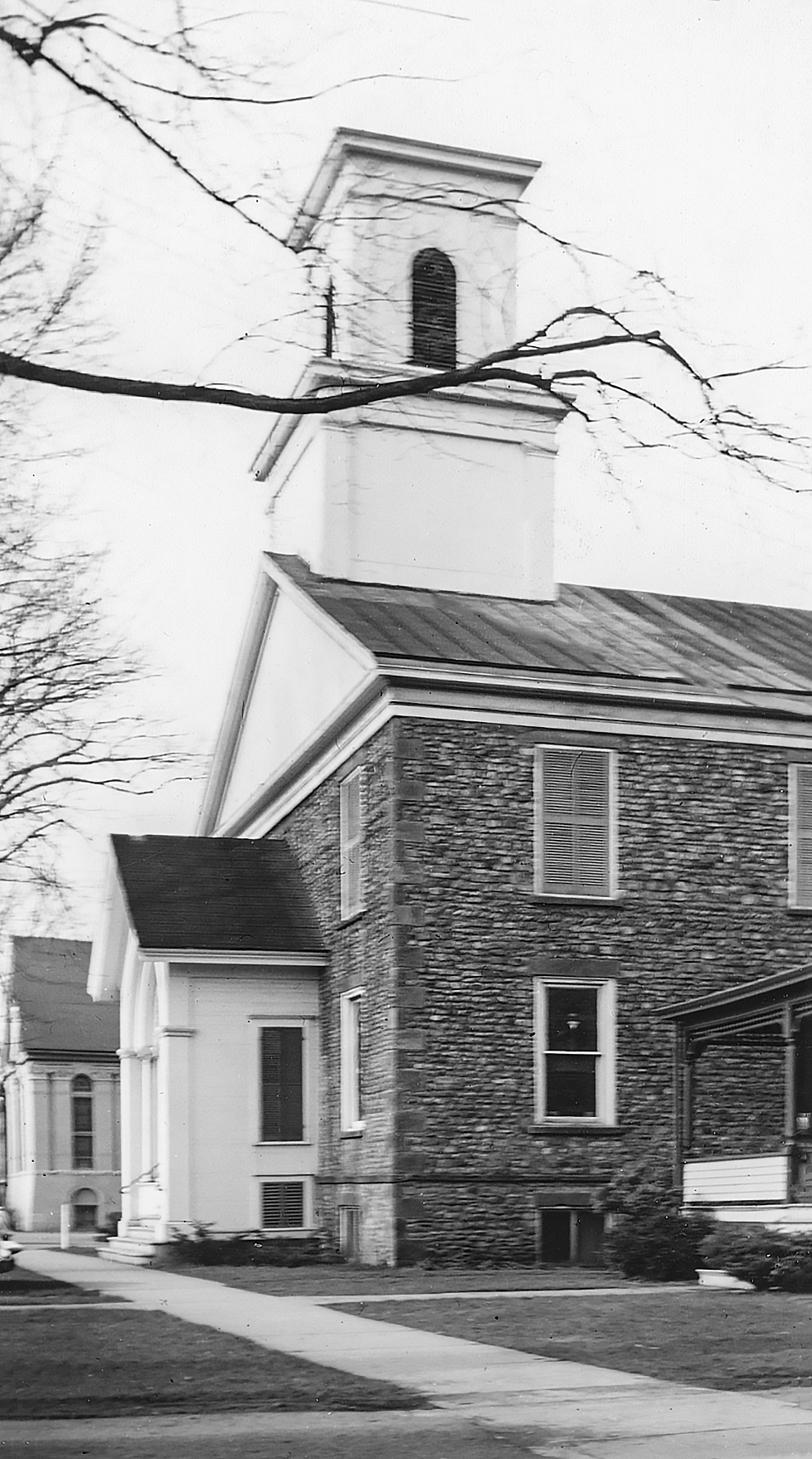 Universalist Church 2.jpg ² May 1961 | 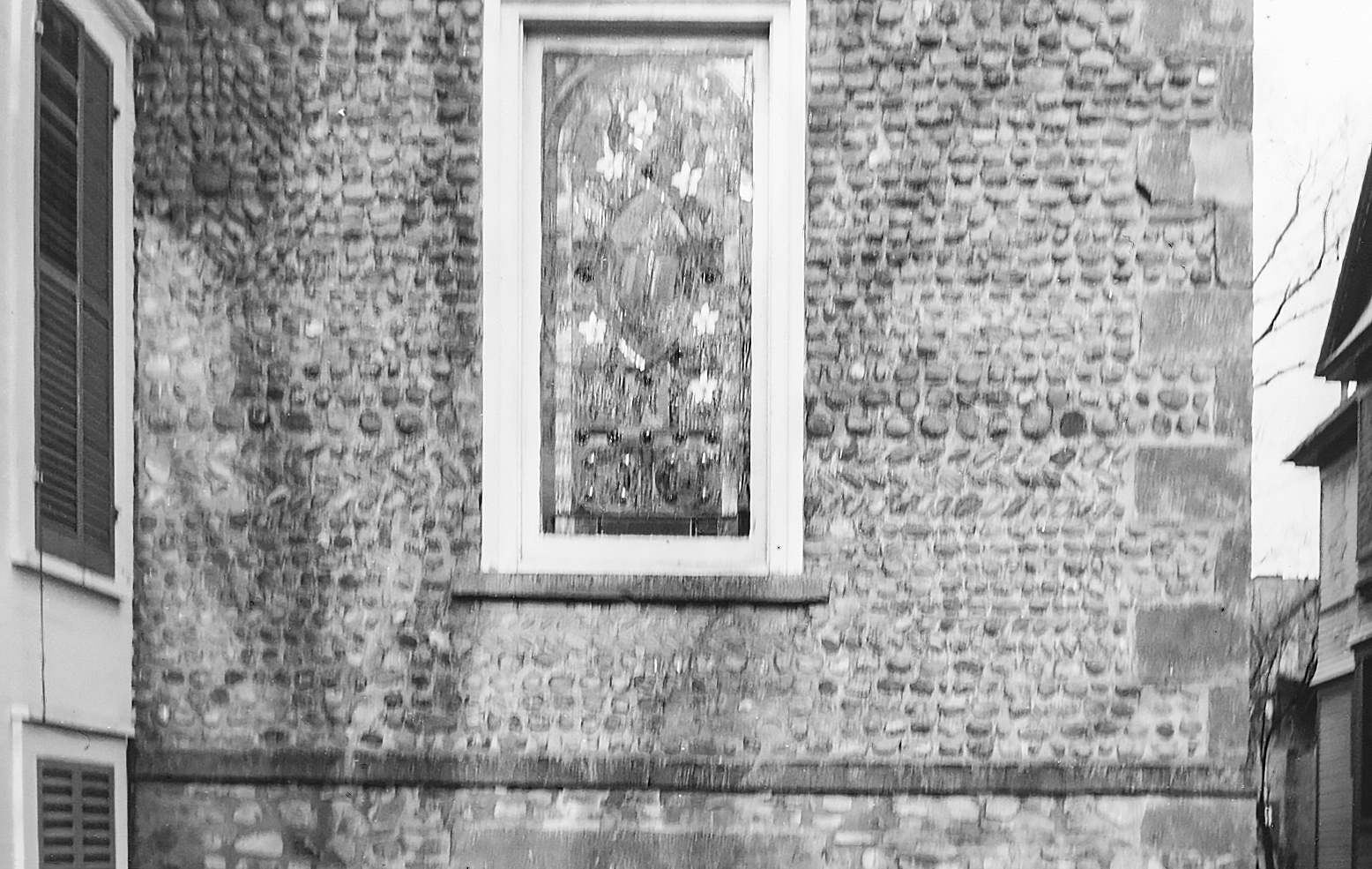 Universalist Church 3.jpg ² May 1961 |
 Universalist Church 4.jpg ² May 1961 | 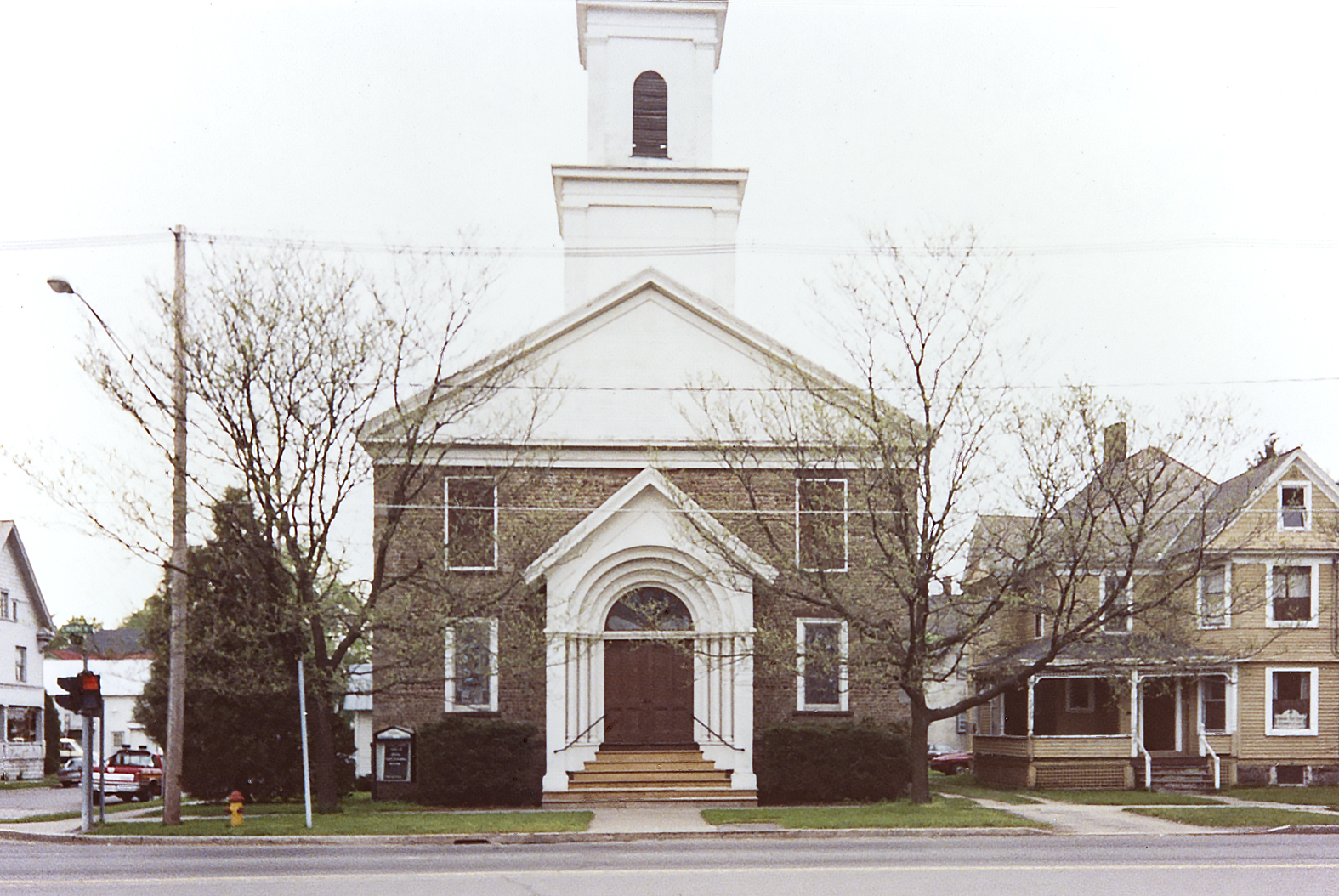 Universalist Church 5.jpg ² | 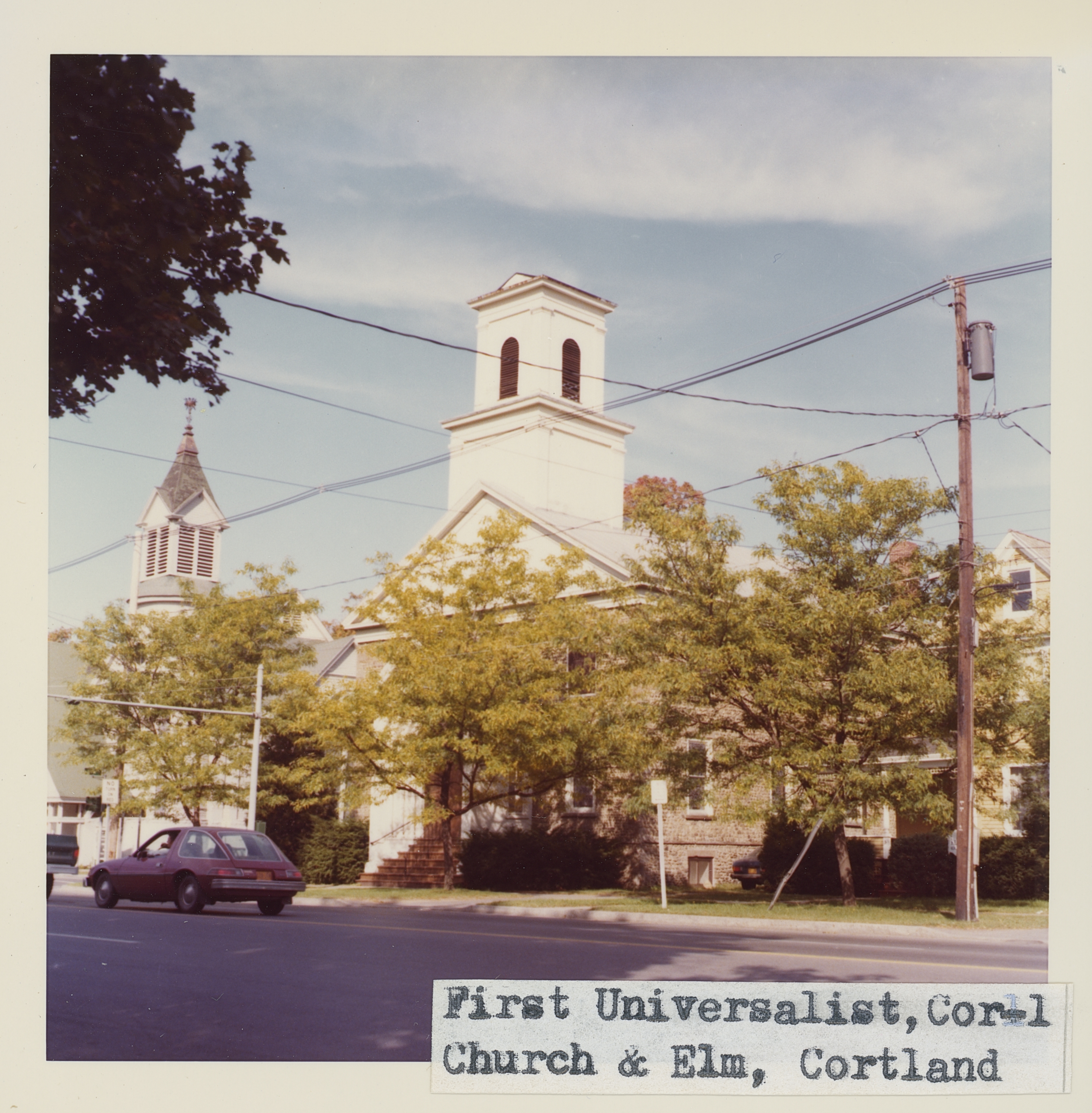 Cor_1_1.jpg | 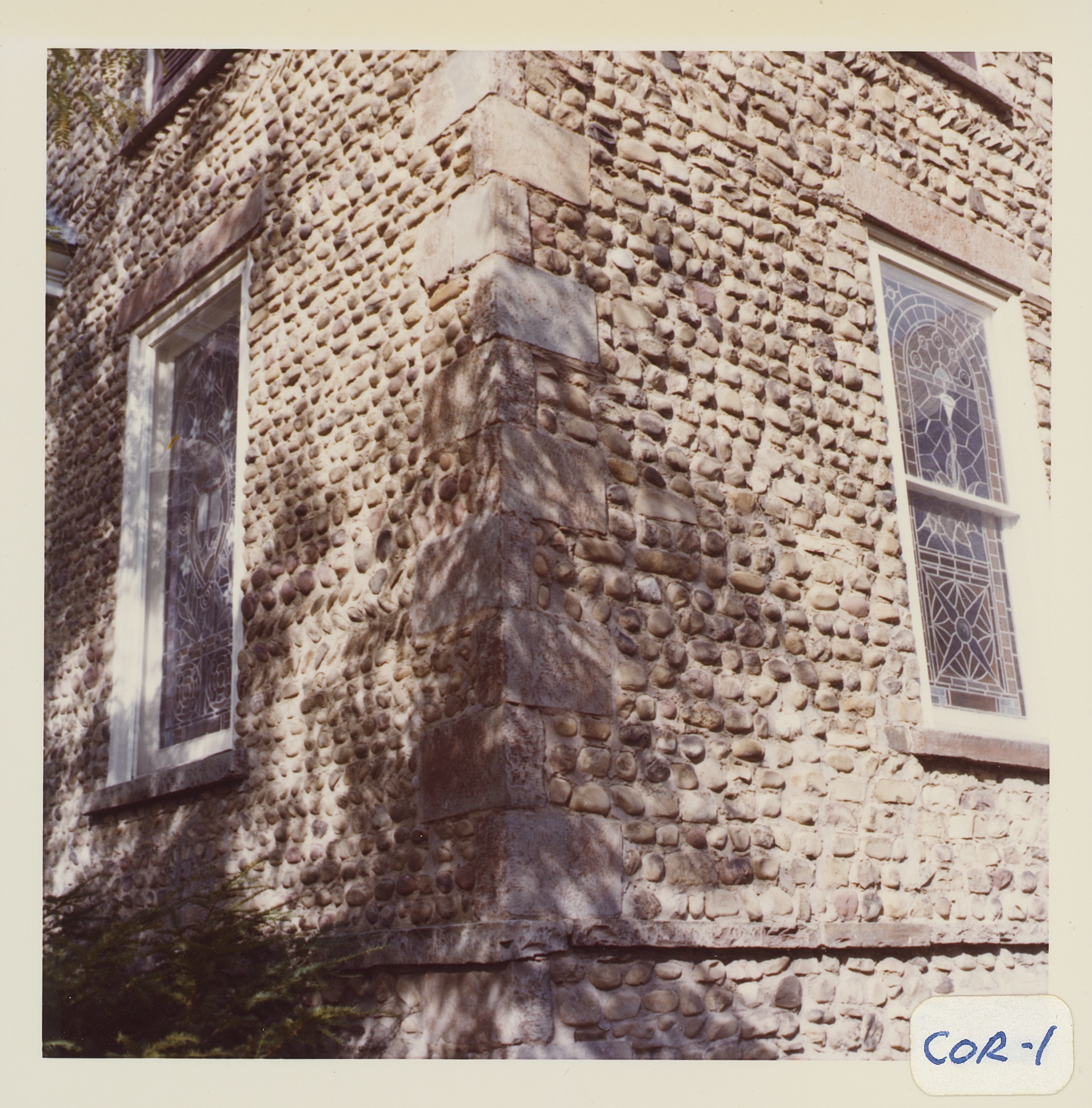 Cor_1_2.jpg |
 Cor_1_3.jpg | 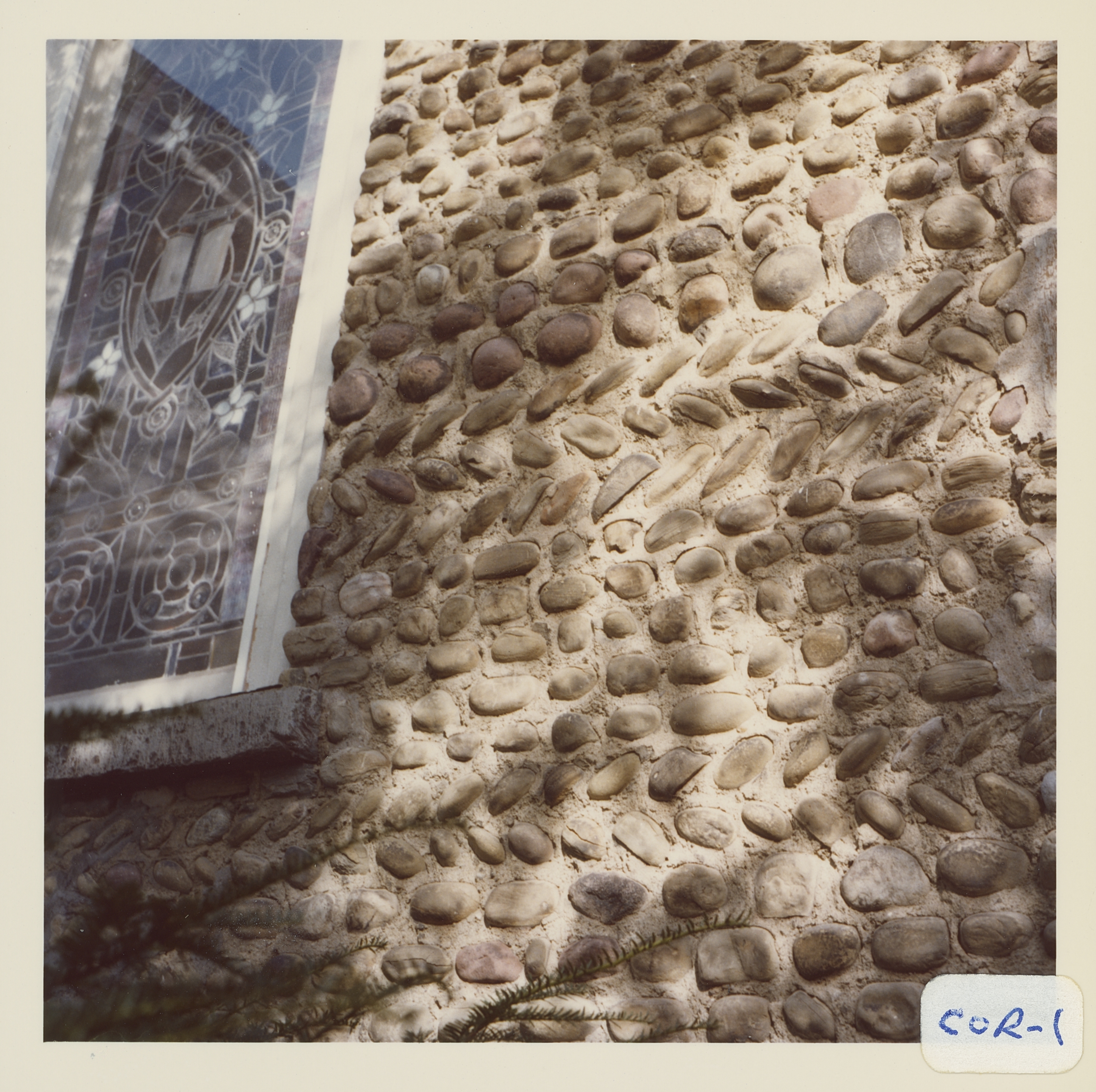 Cor_1_4.jpg | 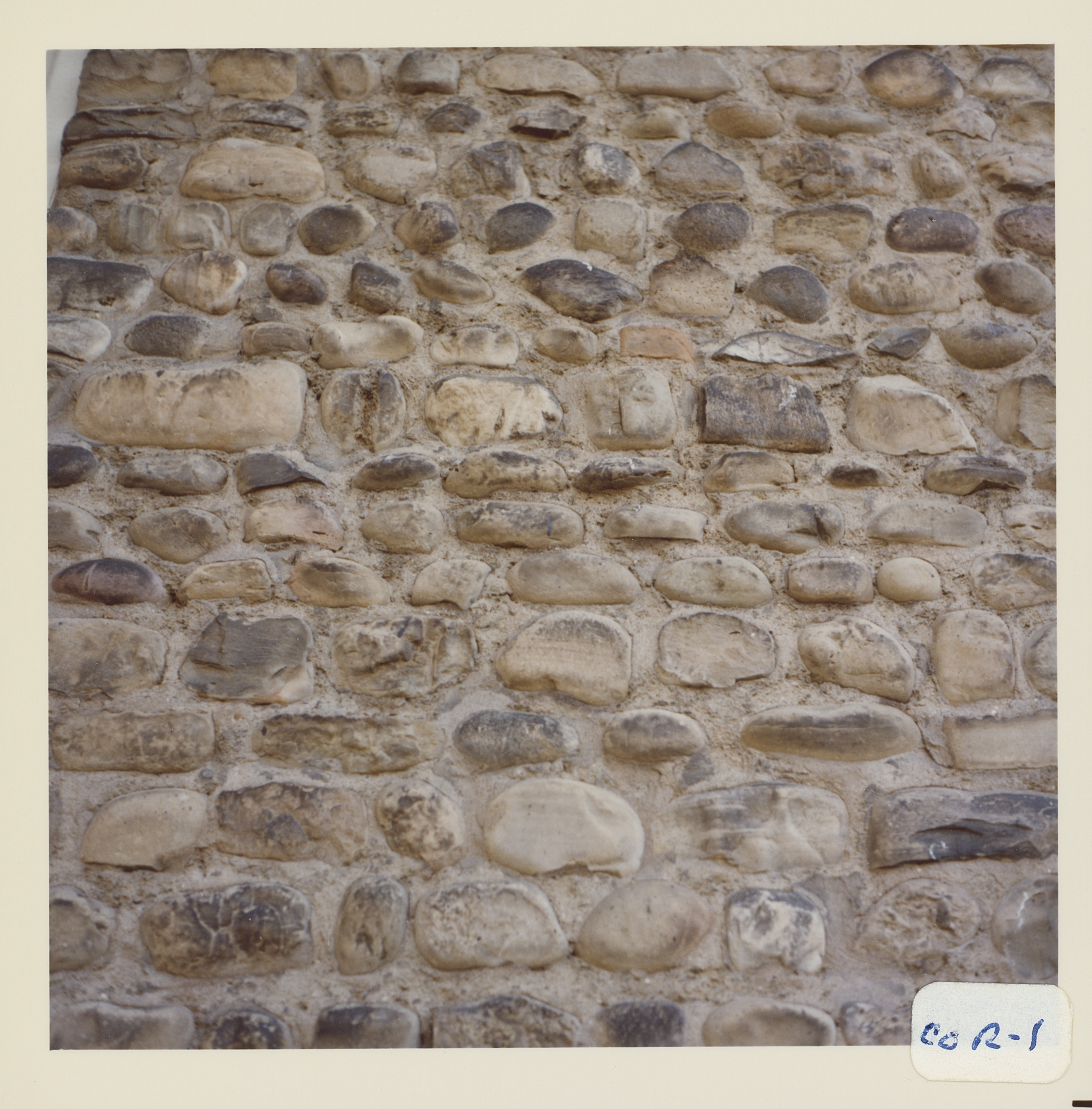 Cor_1_5.jpg | 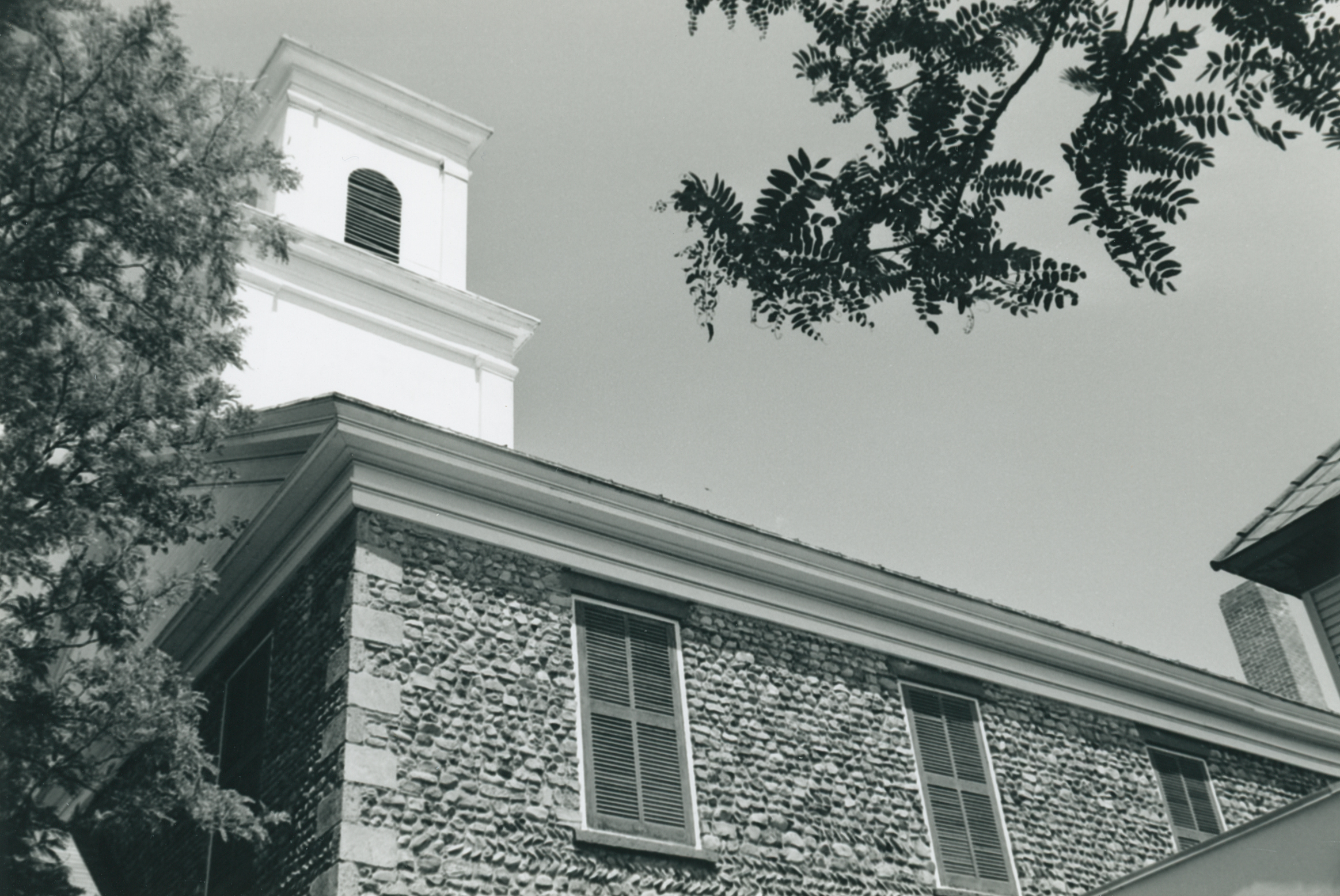 Cor-1 3 Church St 1.jpg ³ |
 Cor-1 3 Church St 2.jpg ³ | 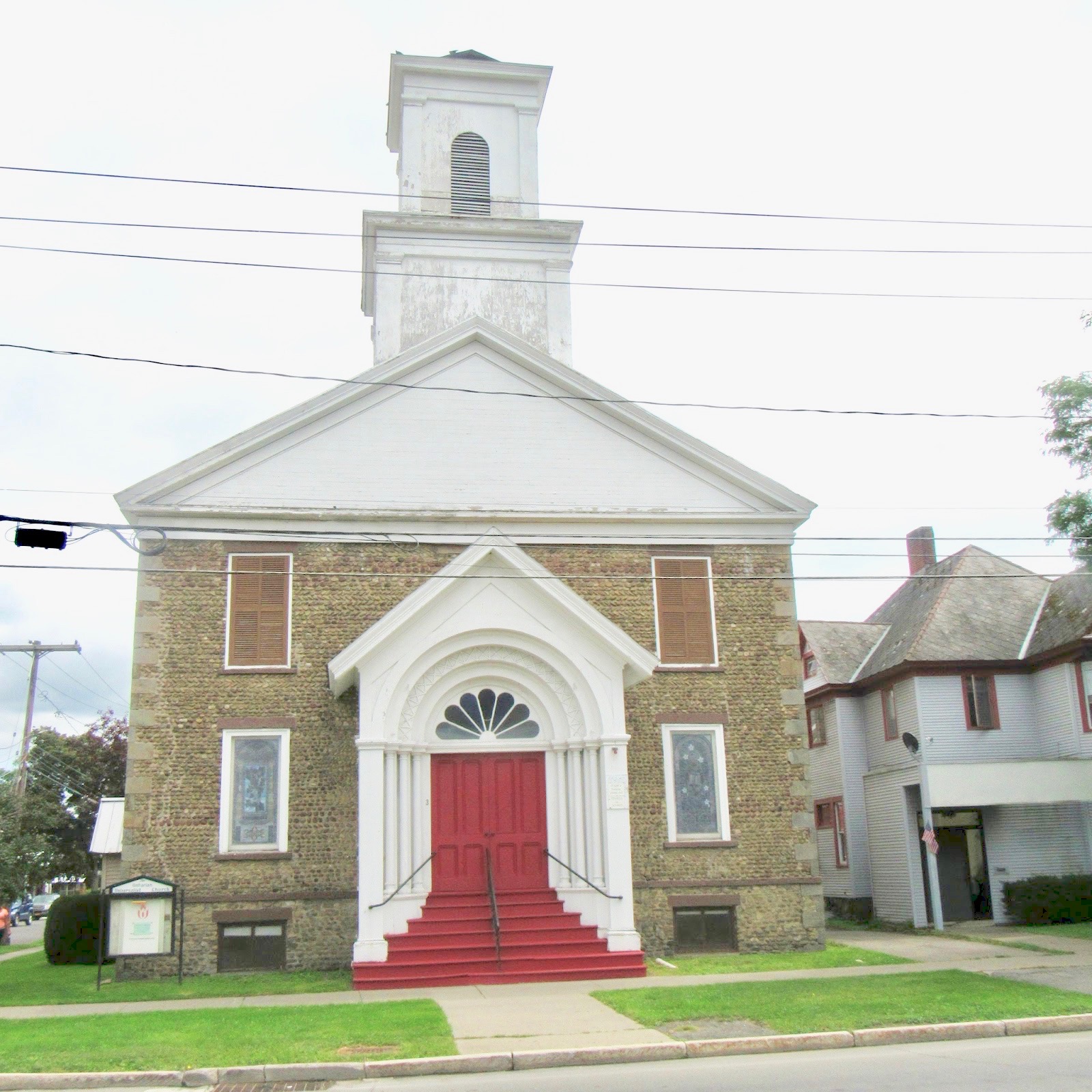 Cortland 1.jpg 4 | 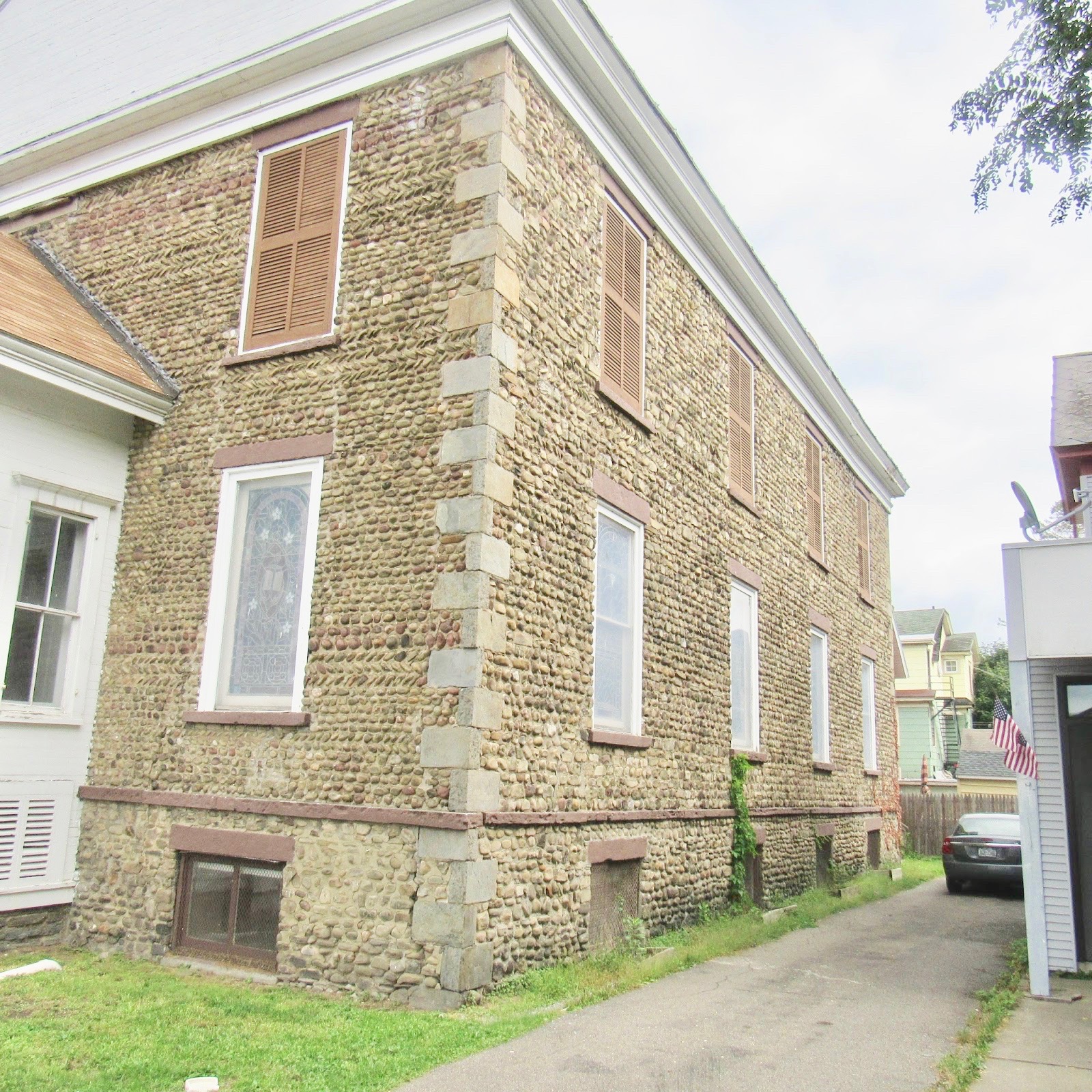 Cortland 3.jpg 4 View showing detail of south wall of church. |
¹ Library of Congress Prints and Photographs Division Washington, D.C. 20540 USA Photographs Source ca. 1933
² Image courtesy Cobblestone Museum.
³ Photography courtesy Martin and Sheila Wolfish.
4 Photography courtesy Richard Palmer.
